


Think a bigger screen always makes a movie better?
IMAX comes in very different sizes and formats, and that changes what you actually see.
Some IMAX theaters use a tall 1.43:1 frame that can give roughly 67% more picture area than standard widescreen.
Others use a 1.90:1 multiplex ratio or dual 4K laser projectors for brighter, richer color.
This short guide breaks down screen size, aspect ratio, and projection tech so you know which IMAX experience is worth the trip.
Key IMAX Format Size Differences for Fast Comparison

IMAX screen sizes vary wildly depending on format and venue. Classic large-format IMAX theaters with 1.43:1 screens usually measure 80 to 120 feet wide or more, delivering the tallest and most immersive image you can get. IMAX Digital multiplex screens (the most common type) run between 60 and 90 feet wide and use a 1.90:1 aspect ratio. Standard multiplex cinema screens sit around 40 to 60 feet wide and show films in 2.39:1 widescreen or 1.85:1 flat formats. Giant screens for outdoor events, advertising, and concerts start around 70 feet wide but don’t have IMAX projection or sound systems.
The numeric difference in screen area is big. At 50 feet wide, a standard 2.39:1 screen gives you about 1,045 square feet of image. An IMAX Digital 1.90:1 screen at the same width provides roughly 1,315 square feet, about 26 percent more viewing area. A 1.43:1 IMAX screen at that same width expands to approximately 1,750 square feet, around 67 percent larger than standard widescreen. The taller aspect ratio is the key. IMAX screens add height instead of width, filling more of your peripheral vision from top to bottom.
| Format | Typical Width Range | Aspect Ratio |
|---|---|---|
| Standard Cinema | 40–60 ft | 2.39:1 (scope) or 1.85:1 (flat) |
| IMAX Digital (multiplex) | 60–90 ft | 1.90:1 |
| IMAX with Laser (multiplex) | 60–90 ft | 1.90:1 (some 1.43:1) |
| IMAX 70mm / Large-Format | 80–120+ ft | 1.43:1 |
| Giant Screen (non-IMAX) | 70+ ft | Varies (flat or curved) |
IMAX Projection Technology Differences: Digital, Laser, and 70mm
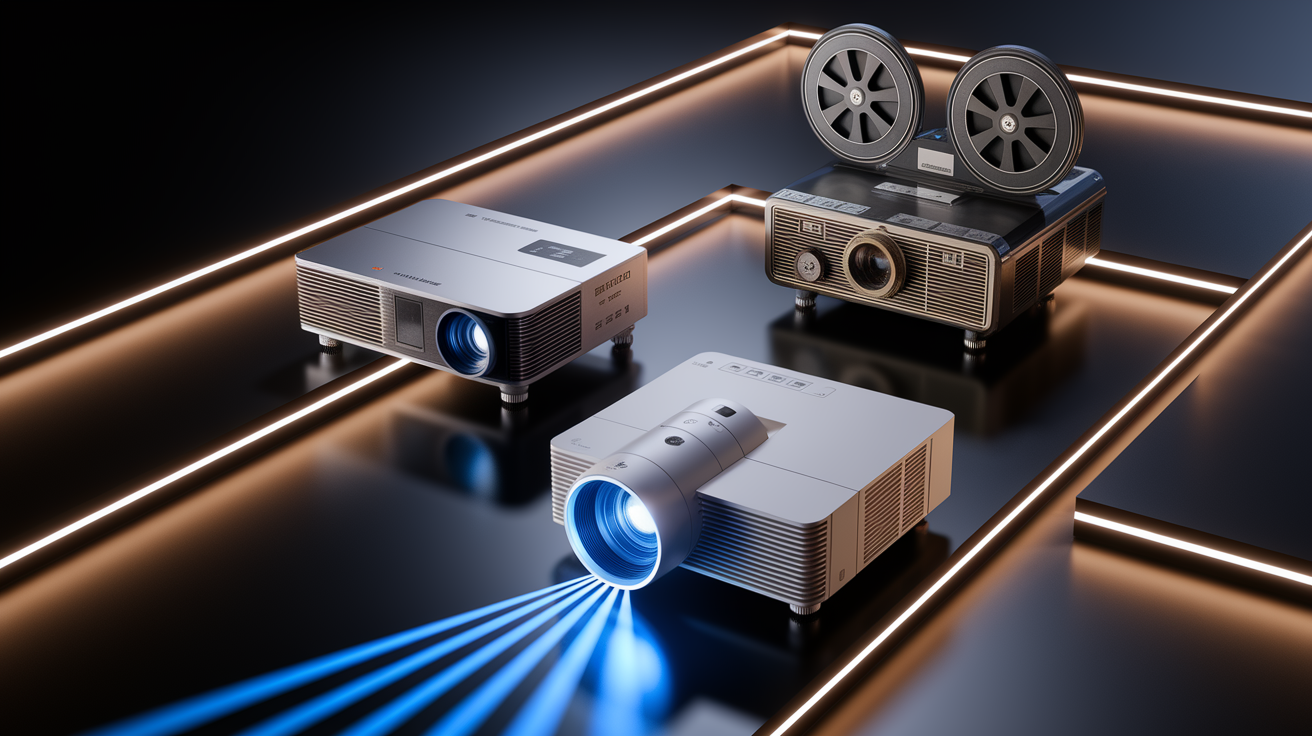
IMAX formats differ in how the image gets to the screen. Resolution, brightness, contrast, and color performance vary a lot between projection systems. Understanding these differences helps you decide which IMAX experience gives you the best value for the film you want to see.
IMAX Digital
IMAX Digital, the most common multiplex format, uses dual 2K projectors. Each projector outputs a native resolution of 2048 by 1080 pixels, and the two units are paired to boost brightness and enable 3D. On really large screens, you can start to see the pixel structure if you sit close. This system was designed to bring IMAX branding to standard multiplex buildings without needing the extreme projection power of 70mm film. Color and contrast are solid but don’t have the brightness headroom and HDR range of laser systems.
IMAX with Laser
IMAX with Laser uses dual 4K laser projectors, each outputting 4096 by 2160 pixels, paired for higher brightness, wider color gamut, and better contrast. Laser projection delivers brighter images on very large screens and keeps color accuracy across the full frame. Black levels are deeper, and highlights stay clean without washing out. IMAX Laser installations can support both 1.90:1 multiplex screens and select 1.43:1 large-format retrofits. Some sources claim IMAX projectors can hit up to 12K resolution capability, though dual 4K laser is the current standard deployment for digital projection.
IMAX 70mm
IMAX 70mm uses 15-perforation 70mm film, an analog format with an effective resolution often estimated as equivalent to 10K to 15K horizontal resolution in digital comparisons. Film grain and sharpness characteristics are different from pixel-based systems, so direct numeric comparisons don’t really line up. On huge screens, 70mm film delivers extraordinary image detail and a unique texture. Projection requires specialized film handling, and prints are expensive, so this format is saved for select flagship theaters and major releases. When you can get it, 70mm IMAX provides the sharpest, most immersive large-screen experience, especially for films shot on IMAX film cameras.
Screen Size vs Aspect Ratio: How IMAX Achieves Taller Images
IMAX markets taller images as delivering “up to 26 percent more picture” compared to standard widescreen. That claim is rooted in aspect ratio. A 1.43:1 IMAX frame is nearly square, while typical theatrical widescreen uses a 2.39:1 scope ratio. At the same screen width, the taller format just adds more vertical image. Using a 50-foot-wide screen as a baseline, a 2.39:1 image is about 20.9 feet tall and covers roughly 1,045 square feet. A 1.90:1 IMAX Digital image at the same width measures approximately 26.3 feet tall, delivering about 1,315 square feet. A 1.43:1 IMAX frame reaches about 35 feet tall, covering roughly 1,750 square feet. That’s about 67 percent more screen area than standard scope.
Filmmakers compose shots to match the intended release format. Movies shot or formatted for IMAX use the extra height to capture more sky, more foreground, or more vertical architectural detail. Standard scope films, when shown in IMAX, are either cropped slightly or shown with black bars at the top and bottom. Films like Dune and Avatar: The Way of Water were shot on IMAX-certified cameras and deliver taller framing for IMAX auditoriums. Non-IMAX films just stretch the same 2.39:1 image to a larger screen without adding picture information.
The three most common theatrical aspect ratios are:
- 1.43:1 – Classic IMAX 70mm and select IMAX with Laser screens. Tallest frame, maximum vertical fill.
- 1.90:1 – IMAX Digital and most IMAX with Laser multiplexes. Taller than scope, shorter than 1.43:1.
- 2.39:1 – Standard scope widescreen used in most multiplex and premium format theaters. Widest frame, least vertical fill.
IMAX vs Standard Cinema and Other Premium Large Formats
IMAX competes with several premium large-format experiences. Dolby Cinema emphasizes HDR, contrast, and sound but typically uses screens in the 40 to 60-foot width range, similar to standard multiplexes. RPX (Regal Premium Experience) and similar branded large formats offer screens around 65 to 90 feet wide, closer to IMAX Digital in size but without IMAX projection systems or aspect ratios. Standard multiplex screens range from 40 to 60 feet and display typical 2.39:1 or 1.85:1 content.
| Format | Typical Width | Experience Focus |
|---|---|---|
| Standard Multiplex | 40–60 ft | Basic projection, standard sound |
| Dolby Cinema | 40–60 ft | HDR, high contrast, Dolby Atmos sound |
| RPX / Large Premium | 65–90 ft | Larger screen, upgraded sound |
| IMAX Digital / Laser | 60–90 ft | Taller aspect ratio, proprietary projection, advanced sound |
| IMAX 1.43:1 | 80–120+ ft | Maximum immersion, tallest screen, premium projection |
IMAX size advantage is most noticeable when the film is formatted for IMAX and the auditorium uses a true large-format screen. Multiplex IMAX Digital screens are often comparable in width to RPX screens but use a taller aspect ratio, adding vertical fill and peripheral immersion. For standard 2.39:1 releases with no IMAX formatting, the difference between IMAX Digital and a large RPX screen is minimal. Dolby Cinema offers superior HDR and contrast on smaller screens, making it a strong alternative when image quality matters more than sheer scale. The largest 1.43:1 IMAX screens deliver a viewing experience no other format can match, filling your field of view top to bottom and side to side.
Real-World IMAX Screen Dimensions and Notable Theaters

IMAX installations vary widely by venue type. Museums and cultural institutions often house the largest 1.43:1 screens, while multiplexes typically feature 1.90:1 digital or laser screens. Knowing where to find each format helps you decide whether a trip across town is worth it.
Melbourne Museum in Australia has one of the world’s largest IMAX screens, a 1.43:1 format measuring approximately 97 feet wide by 76 feet tall. Lincoln Square in New York City operates a flagship 1.43:1 screen at roughly 97 feet wide and 76 feet tall, one of the few remaining IMAX 70mm film projection sites. Sydney’s Darling Harbour IMAX features a similar giant 1.43:1 screen. TCL Chinese Theatre IMAX in Hollywood uses a 1.90:1 IMAX with Laser screen, smaller than the museum giants but still substantially larger than standard multiplexes.
Notable IMAX screens include:
- Melbourne Museum IMAX – 1.43:1, ~97 ft × 76 ft, classic large-format screen
- Lincoln Square NYC – 1.43:1, ~97 ft × 76 ft, IMAX 70mm projection capability
- Darling Harbour Sydney – 1.43:1, giant curved screen
- TCL Chinese Theatre Hollywood – 1.90:1, IMAX with Laser multiplex
- Science Museum London – 1.43:1, large-format IMAX screen in cultural venue
Most cities have at least one IMAX multiplex with a 1.90:1 screen in the 60 to 80-foot width range. True 1.43:1 screens are rare and concentrated in major metro areas and museum venues. Check theater websites for projection type labels like “IMAX with Laser” or “IMAX 70mm” to identify the highest-quality installations.
Giant Screens vs IMAX: Size, Cost, and Use-Case Differences
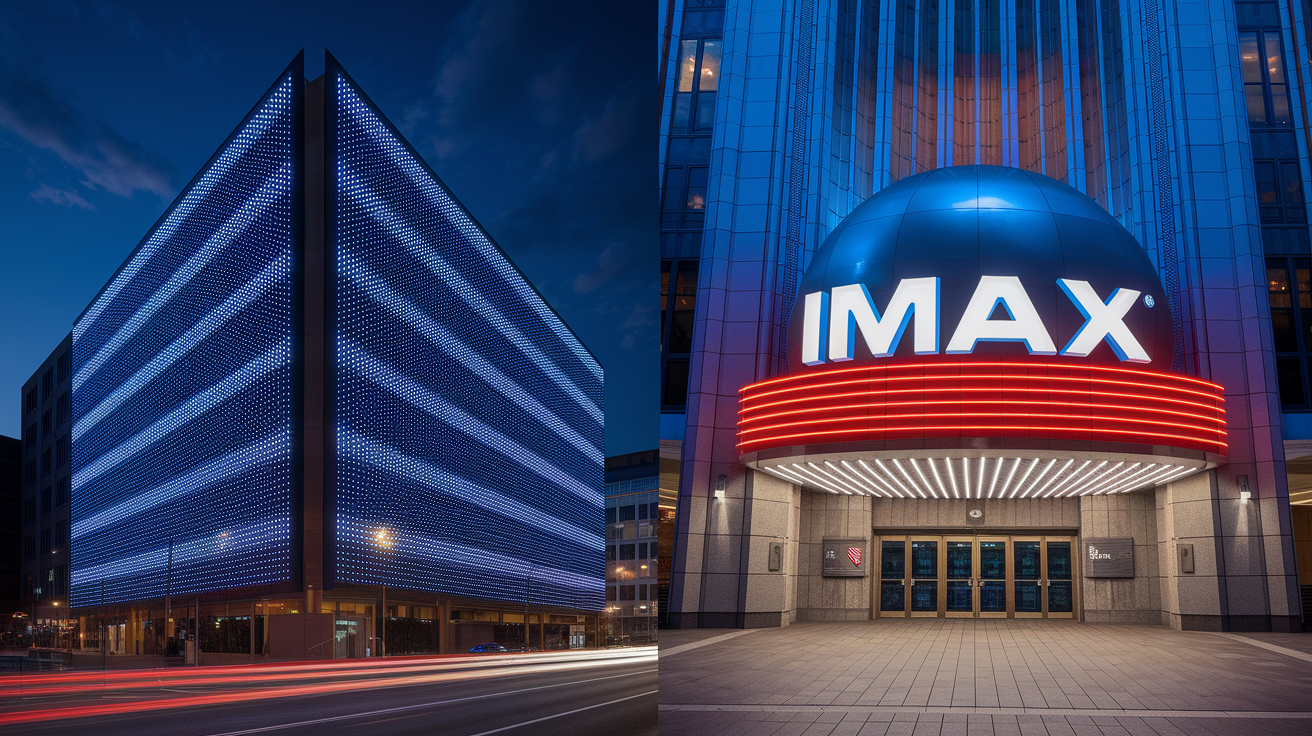
Giant screens and IMAX overlap in size but serve different purposes. Giant screens start around 70 feet wide and are used for outdoor movie events, building-facade advertising, shopping mall displays, concerts, and sporting events. IMAX screens are purpose-built for cinema, with proprietary projection, sound, and auditorium design. Both deliver large-scale visuals, but IMAX prioritizes image quality and immersion, while giant screens prioritize flexibility and lower installation cost.
Giant screens are deployed in varied settings. Building facades like the Burj Khalifa in Dubai and One World Trade Center in New York use massive LED or projection systems for advertising and public displays. Outdoor movie screenings rely on inflatable or tensioned fabric screens measuring 70 feet or wider. Shopping malls use multi-projection displays to create dynamic advertising walls. Concerts and live shows project close-up performer feeds and visual effects onto giant screens flanking the stage. Ski resorts display trail maps, weather updates, and lift status on large-format screens in base lodges.
- Building-facade advertising – Displays stretch across entire building faces for high-visibility branding.
- Outdoor movie events – Temporary screens set up in parks, stadiums, or beaches for community screenings.
- Concerts and live shows – Side-stage screens provide close-up views and synchronized visual effects.
- Sporting events – Stadiums use giant screens for replays, scores, and sponsor messages.
Projection quality and immersion separate IMAX from giant screens. IMAX uses calibrated projectors, specialized sound systems, and controlled auditorium acoustics. Giant screens often rely on standard commercial projectors or LED panels with lower brightness, contrast, and color accuracy. IMAX theaters are designed with steep stadium seating and precise screen curvature to fill peripheral vision. Giant screens are functional and cost-effective but don’t have the cinematic refinement and image performance of a true IMAX installation.
How Screen Size Affects Viewing Comfort and Field of View
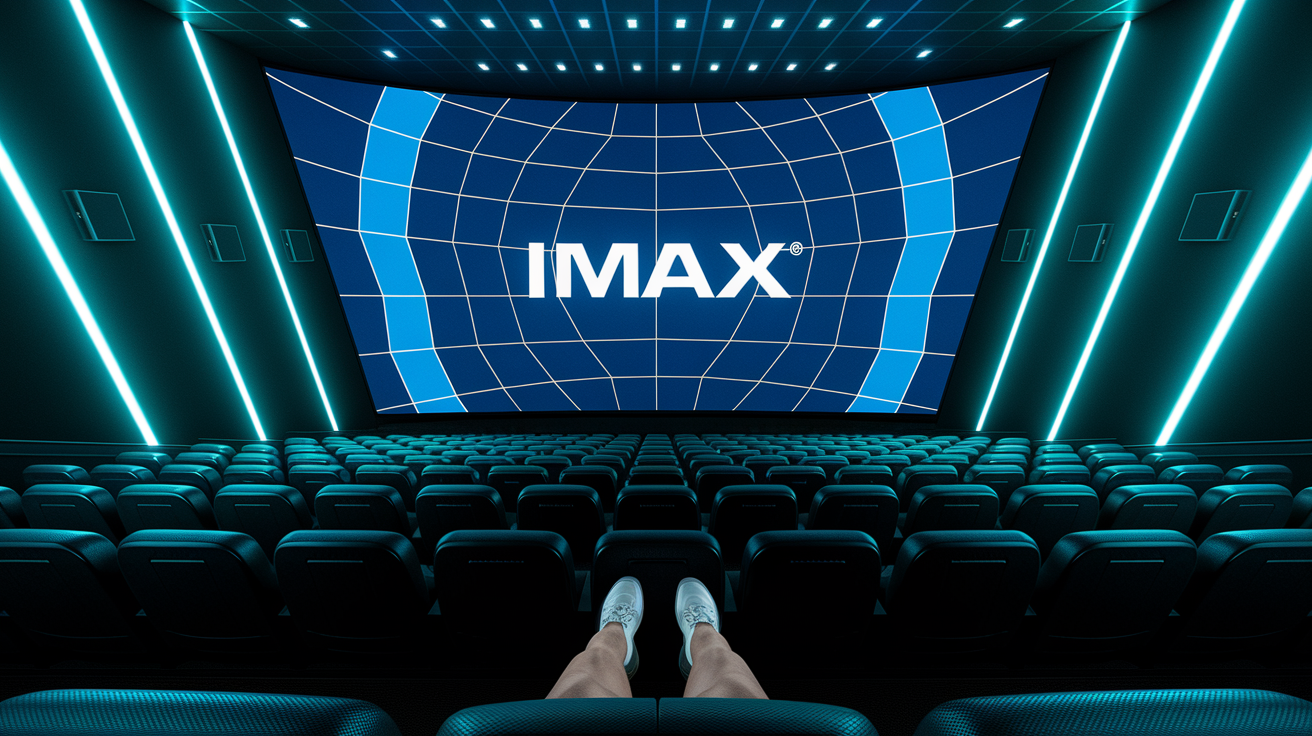
IMAX uses steep stadium seating and tall screens to fill more of your peripheral vision. When you’re seated in the center rows, the top and bottom edges of a 1.43:1 screen extend beyond your normal sightline, creating a sense of immersion. Sitting too close can cause neck strain as you tilt your head to track action at the top of the frame. Sitting too far back reduces the immersive advantage and makes IMAX feel like a standard large screen.
Ideal seating zones depend on screen height and auditorium layout. Most IMAX theaters recommend center seating about 45 to 65 percent of the distance from the screen to the back wall. In a typical IMAX Digital auditorium, that places you roughly one-third to halfway back. For 1.43:1 giant screens, sitting slightly farther back than you would in a standard theater helps you take in the full frame without excessive head movement.
Comfort considerations for large IMAX screens:
- Center rows, middle third to halfway back – Balances field of view and comfort, avoids excessive neck tilt.
- Avoid front rows – Very close seating makes the tallest screens uncomfortable and distorts perspective.
- Peripheral fill matters most in 1.43:1 auditoriums – Taller screens extend into your upper and lower vision. 1.90:1 multiplexes offer less vertical immersion.
IMAX auditoriums use steeper rake angles than standard theaters, improving sightlines and reducing the chance of blocked views. This design works best when you sit in the recommended zones. Outside those zones, the size advantage diminishes, and you might as well watch in a standard premium theater with better sound or HDR.
IMAX Projection Quality: Resolution, Brightness, and Color Accuracy
Bigger screens demand brighter, sharper projection to maintain image quality. IMAX formats differ significantly in how they deliver resolution, brightness, contrast, and color. Understanding these differences helps you choose the right IMAX for the film you want to see.
IMAX Laser uses dual 4K laser projectors and delivers the brightest, most color-accurate digital IMAX experience. Brightness levels exceed older IMAX Digital systems, letting the image stay vivid on very large screens. Contrast ratios are higher, with deeper blacks and cleaner highlights. Color reproduction covers a wider gamut, closer to HDR mastering standards. IMAX Digital, using dual 2K projectors, offers lower native resolution and less brightness headroom. On smaller IMAX screens, the difference is less noticeable, but on large 1.90:1 or 1.43:1 screens, the sharpness and color differences become clear. IMAX 70mm film delivers analog resolution often equated to multi-K digital equivalents, with unique grain texture and exceptional detail on the largest screens.
| Format | Native Resolution | Brightness / Contrast Notes |
|---|---|---|
| IMAX Digital | Dual 2K (2048×1080 each) | Moderate brightness; lower contrast than Laser |
| IMAX with Laser | Dual 4K (4096×2160 each) | High brightness; improved contrast and color gamut |
| IMAX 70mm | ~10–15K equivalent (analog film) | Exceptional sharpness; unique film grain texture |
Ticket Premiums and When IMAX Size Justifies the Cost
IMAX tickets typically cost $3 to $15 more than standard multiplex tickets, depending on the market, theater, and projection format. Large-format 1.43:1 screens and IMAX with Laser installations command the highest premiums. IMAX Digital multiplexes usually charge on the lower end of that range. Dolby Cinema and RPX premiums run roughly $3 to $10 over standard tickets in most markets.
The premium is most justified when:
- The film is formatted for IMAX – Movies shot on IMAX cameras or expanded to 1.43:1 or 1.90:1 aspect ratios deliver the visual payoff IMAX promises.
- The theater uses IMAX with Laser or 1.43:1 screens – Brighter, sharper projection and taller screens maximize the experience.
- The premium is on the low end – A $3 to $6 upcharge for a properly formatted blockbuster is usually worth it.
- You sit in recommended seating zones – Poor seats reduce immersion and waste the premium.
For standard 2.39:1 releases with no IMAX formatting, the visual benefit is smaller. In those cases, Dolby Cinema or a premium recliner auditorium might offer better value. If the IMAX premium exceeds $10 and the film isn’t formatted for IMAX, the extra cost rarely delivers enough improvement to justify it. Check the film’s marketing materials for “Filmed for IMAX” or “IMAX Expanded Aspect Ratio” labels before booking.
How to Identify the Best IMAX Screen Near You

Not all IMAX theaters are equal. Finding the best IMAX screen in your area means checking projection type, aspect ratio, and auditorium design. Most multiplexes operate 1.90:1 IMAX Digital or IMAX with Laser screens. Flagship museums and downtown theaters house the rare 1.43:1 large-format screens.
Look for “IMAX with Laser” labeling when you’re booking tickets. Laser projection delivers brighter, sharper images than older IMAX Digital systems. Check theater websites or call the box office to confirm aspect ratio. If the screen is 1.43:1, it’s a true large-format IMAX installation. If it’s 1.90:1, it’s a multiplex IMAX, which is still larger and taller than standard screens but not as immersive as 1.43:1. Room architecture matters. Purpose-built IMAX auditoriums feature steeper seating, optimized sightlines, and acoustics designed for IMAX sound systems. Retrofitted auditoriums can have compromised seating or smaller screens.
Key factors to check before booking:
- Projection type – IMAX with Laser is the best digital option. IMAX 70mm is rare and delivers analog excellence.
- Aspect ratio – 1.43:1 screens provide maximum immersion. 1.90:1 is taller than standard but less dramatic.
- Room design – Purpose-built IMAX auditoriums optimize seating, acoustics, and screen size.
- Certification labels – “IMAX Certified” or “Filmed for IMAX” tags on film marketing indicate proper formatting.
Future Size Trends for IMAX and Large-Format Screens
IMAX screen installations have evolved since the first 70mm theaters opened. Laser projection technology, introduced in 2015, has expanded rapidly, allowing brighter images on larger screens without the cost and complexity of 70mm film. Curved and flat large-format screens require strict architectural specifications, including reinforced walls, precise screen tensioning, and controlled auditorium acoustics. Installation costs remain high, limiting 1.43:1 screens to flagship locations and cultural venues.
Giant screens in museums, outdoor venues, and event spaces continue to grow in size and versatility. LED technology allows building-facade screens and stadium displays to reach widths exceeding 200 feet. Projection mapping and multi-projector arrays enable complex curved surfaces and interactive displays. IMAX focuses on cinema, prioritizing image quality and immersion, while giant screens prioritize scale and flexibility for advertising, events, and public installations.
Emerging trends shaping large-format screens:
- Wider laser-projection rollout – IMAX with Laser installations are expanding to more multiplex sites, improving brightness and contrast on large screens.
- Brighter, more uniform LED panels – Giant screens for outdoor events and advertising are shifting from projection to direct-view LED for better daylight visibility and color.
- Architectural integration – New-build IMAX theaters incorporate purpose-designed auditoriums with optimized seating, acoustics, and screen geometry from the ground up.
Final Words
We boiled down how IMAX sizes, aspect ratios, and projection tech change what you actually see — from 1.43:1 70mm giants (80–120+ ft) to 1.90:1 digital and standard 2.39:1 scope.
We also explained brightness and laser vs digital vs 70mm, viewing comfort, ticket premiums, and where flagship versus retrofit theaters fit the map.
Use this imax screen size comparison to pick the right theater and seat for each film type. You’ll get the most value from 1.43:1 or Laser showings, and more immersive nights at the big screens.
FAQ
Q: Are there different sizes of IMAX screens?
A: Different sizes of IMAX screens exist: digital runs about 60–90 ft, 1.43:1 70mm often 80–120+ ft, and giant screens start near 70 ft; aspect ratios commonly 1.43:1 or 1.90:1.
Q: Which IMAX has the biggest screen?
A: The IMAX format with the biggest screen is 1.43:1 70mm (classic IMAX), reaching roughly 80–120+ ft wide and usually installed in purpose-built flagship or museum venues.
Q: Is 70mm and 70mm IMAX the same?
A: 70mm film and 70mm IMAX are related but not identical: IMAX 15/70 uses larger frames, different projection and sprockets, producing taller 1.43:1 images and higher perceived resolution than standard 70mm.
Q: Should I see Project Hail Mary in IMAX?
A: You should see Project Hail Mary in IMAX if you want larger, taller images and maximum visual impact—especially when the theater offers a 1.43:1 or Laser presentation; scope-only screenings offer smaller gains.