

Think your flagship phone is rugged?
It probably wouldn’t survive a day on a construction site.
Rugged phones aren’t marketing, and they’re built to pass military tests (MIL-STD-810G/H), IP68/IP69K water and pressure checks, and real drop trials.
This post lists the toughest models today, shows documented drop heights and certs, and explains what those specs mean for real use, like battery life, thermal performance, and field tools such as thermal cameras.
Read on to find which device actually survives the conditions you work in.
Immediate Ranking of the Toughest Smartphone Models Today
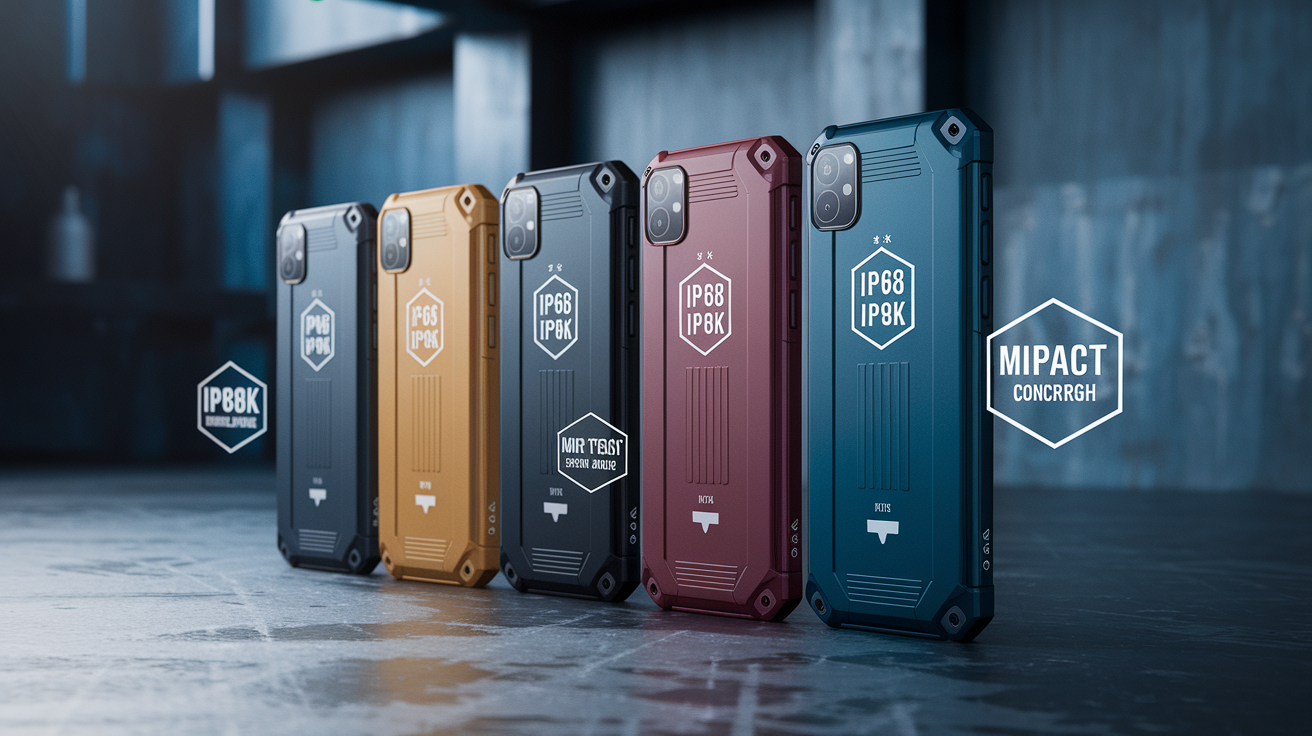
You can’t measure phone toughness without looking at three things: IP ratings (IP68 for underwater survival, IP69K for pressure washing), military testing (MIL-STD-810G or 810H covering drops, vibration, temperature swings, and humidity), and actual drop survival data. The toughest phones stack these certifications with reinforced frames, shatter-resistant glass, and temperature ranges from -40°F to 140°F. These are devices that laugh at conditions that would kill a flagship phone instantly.
What follows are the most durable smartphones you can buy right now, backed by documented drop tests, waterproofing certs, and extreme-temperature operation. Each one combines military-grade testing with IP69K protection. Drop survival goes from 5 feet (Sonim XP10) to 6 feet (CAT S62 Pro). Battery capacities support multi-day operation when you’re nowhere near a wall outlet. Several models pack specialized tools like thermal imaging or emergency communication features built for professionals working in the field.
Toughest smartphone models ranked by durability evidence:
- CAT S62 Pro survives 6-foot drops, carries IP68/IP69K ratings, MIL-STD-810H certified, Gorilla Glass 6 protection, operates -4°F to 140°F, includes FLIR thermal camera detecting temperatures from -4°F to 752°F
- Sonim XP10 has IP68/IPX9K certification, survives 5-foot drops, MIL-STD-810G tested, operates -14°F to 140°F, FirstNet certified for emergency responders, includes removable 5,000mAh battery, 100dB+ speakers, 3-year warranty
- AGM Glory Pro 5G carries IP68/IP69K ratings, MIL-STD-810H certified, Arctic Battery operates 1 hour at -40°F, 110dB speaker, 6,200mAh battery, thermal camera with 20MP night vision
- AGM G2 Guardian has IP68/IP69K certification, survives 20 feet underwater for 30 minutes, thermal monocular detecting subjects at 400 to 650 feet, 7,000mAh battery lasting 3 days, 120Hz display
- Unihertz Tank2 is IP68/IP69K rated, MIL-STD-810G certified, 15,500mAh battery lasting 6 to 7 days, weighs 1.2 pounds, Panda MN228 Glass protection, dual 1,200-lumen flashlights
- CAT S48C survives 6-foot drops, IP68 rated, MIL-STD-810G certified, Gorilla Glass 5 protection, 4,000mAh battery, submersible 5 feet for 30 minutes, programmable PTT key
Core Rugged Build Characteristics Defining the Toughest Smartphone Designs
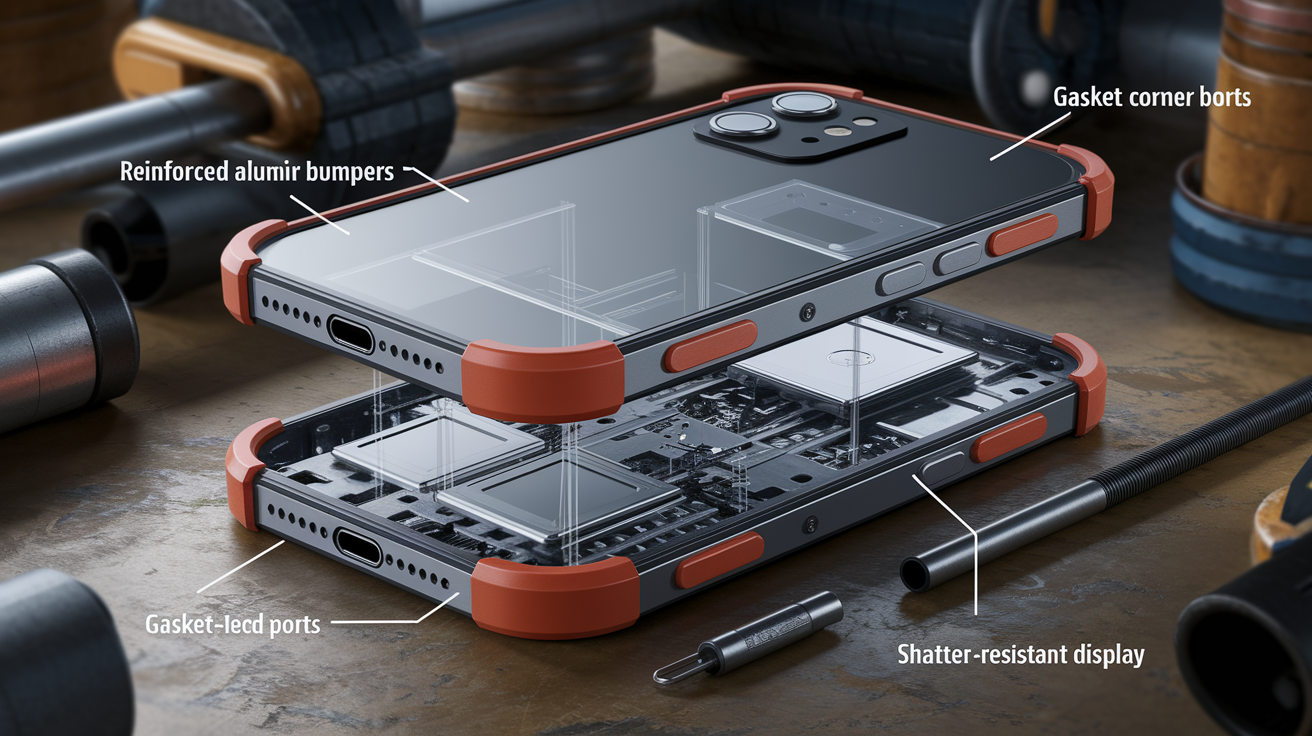
Rugged smartphones use reinforced frames built from aluminum alloy or polymer composites with rubberized corner bumpers that absorb impact energy during drops. The Unihertz Tank2 uses Panda MN228 glass instead of Gorilla Glass, while CAT models stick with Gorilla Glass 5 or 6 for shatter resistance. Sealed port designs prevent dust and moisture from getting in through gaskets at charging ports, headphone jacks, and SIM trays. Most rugged phones ditch exposed speaker grills entirely by routing sound through waterproof membranes. Many include physical buttons sealed with rubber O-rings rather than capacitive touch controls that quit working when wet.
IP69K certification means the device can withstand high-temperature pressure jets at 80°C sprayed at close range, simulating industrial washdown environments. MIL-STD-810G and 810H testing throws phones into thermal shock (rapid temperature changes), sustained vibration frequencies found in vehicles and machinery, solar radiation equivalent to desert exposure, and fungus growth conditions. The AGM Glory Pro includes Arctic Battery technology specifically engineered for -40°F operation, using specialized lithium polymer cells that maintain voltage under extreme cold. Sonim XP10’s removable 5,000mAh battery allows field replacement without tools, a feature consumer phones killed off years ago but that’s critical for multi-shift work requiring battery swaps.
Primary rugged construction elements:
- Reinforced casing: aluminum or polymer frames with corner bumpers and shock-absorbing inner layers
- Gasket-sealed ports: rubber O-rings at USB ports, headphone jacks, and SIM trays preventing water and dust entry
- Shatter-resistant glass: Gorilla Glass 5/6 or equivalent protection with oleophobic coatings resisting scratches and impacts
- Ruggedized button assemblies: physical buttons with waterproof membranes and tactile feedback functioning with gloves
Toughest Smartphone Certifications and What They Really Mean
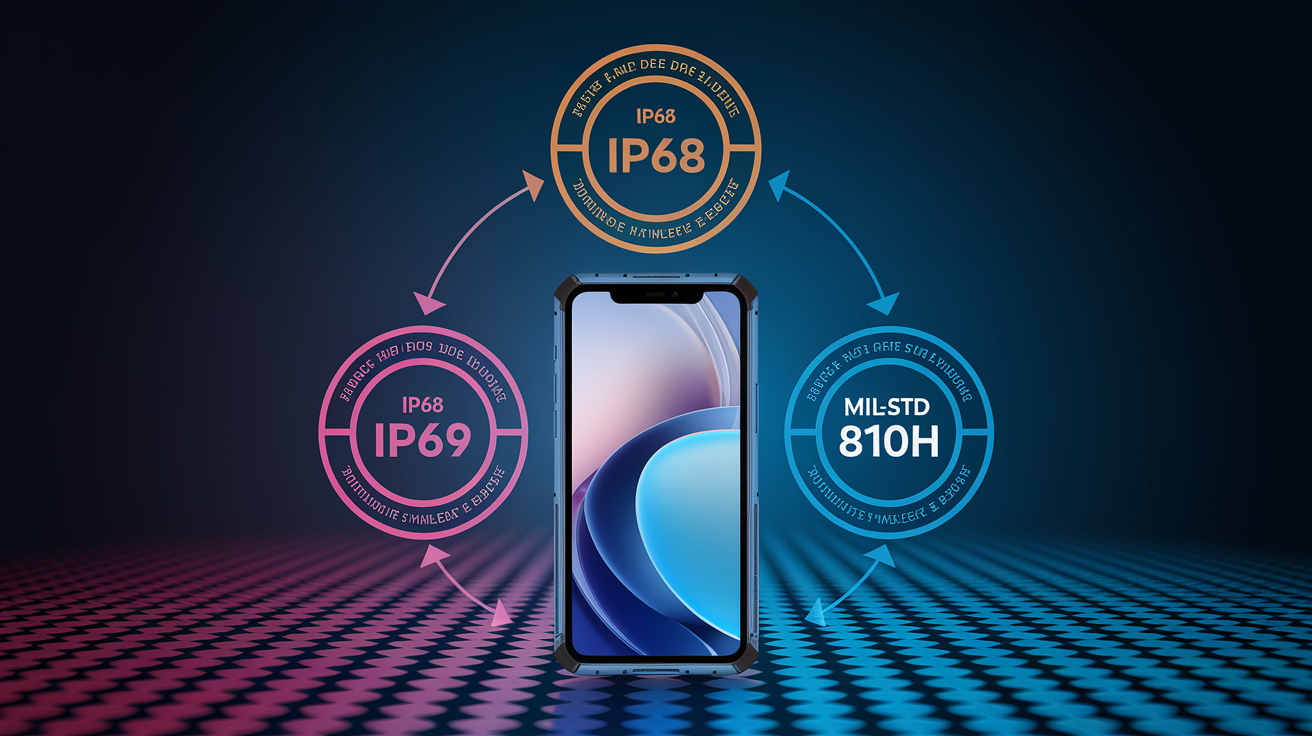
IP68 certification guarantees complete dust protection and the ability to survive continuous submersion in water, typically 5 feet deep for 30 to 35 minutes depending on manufacturer specs. CAT S48C and S62 Pro both hit IP68 with 5-foot submersion ratings, while AGM G2 Guardian survives 20 feet underwater for 30 minutes. IP69K represents the highest protection level, defending against high-temperature, high-pressure water jets at 80°C sprayed at close range. This certification matters for workers pressure-washing equipment, hosing down vehicles, or working in industrial cleaning environments where phones get exposed to chemical rinses and steam.
MIL-STD-810G and 810H represent U.S. military testing standards covering 29 separate environmental conditions including shock (simulating drops and impacts), vibration (vehicle and machinery frequencies), temperature extremes (both high and low), thermal shock, humidity, rain, solar radiation, fungus exposure, and altitude. MIL-STD-810H was released in 2019 as an update to 810G but doesn’t automatically mean better protection. The specific tests performed matter more than the standard version. AGM Glory Pro and CAT S62 Pro carry 810H certification, while CAT S48C and Unihertz Tank2 use 810G. Both standards require documentation of which specific tests were performed, though manufacturers rarely publish complete test results.
Drop height ratings tell you the maximum fall distance a phone survives when landing on concrete. Sonim XP10 withstands 5-foot drops, while CAT S62 Pro and S48C survive 6-foot falls. These ratings assume the phone lands in any orientation (face down, corner first, or flat on back) without screen cracks or functional damage. Real-world drop survival depends on landing surface hardness, phone orientation at impact, and whether protective cases add extra cushioning.
| Certification | What It Covers | Example Device |
|---|---|---|
| IP68 | Complete dust protection and submersion in water 5+ feet deep for 30 to 35 minutes | CAT S62 Pro (5 feet for 35 minutes) |
| IP69K | Highest protection level including high-temperature (80°C) high-pressure water jets at close range | AGM Glory Pro 5G, Unihertz Tank2 |
| MIL-STD-810G | Military testing covering shock, vibration, temperature, humidity, altitude, solar radiation, and rain (2008 version) | CAT S48C, Unihertz Tank2 |
| MIL-STD-810H | Updated military standard (2019) with same core tests plus refined temperature and altitude protocols | CAT S62 Pro, AGM Glory Pro 5G |
Battery Strength and Power Features in the Toughest Smartphone Category
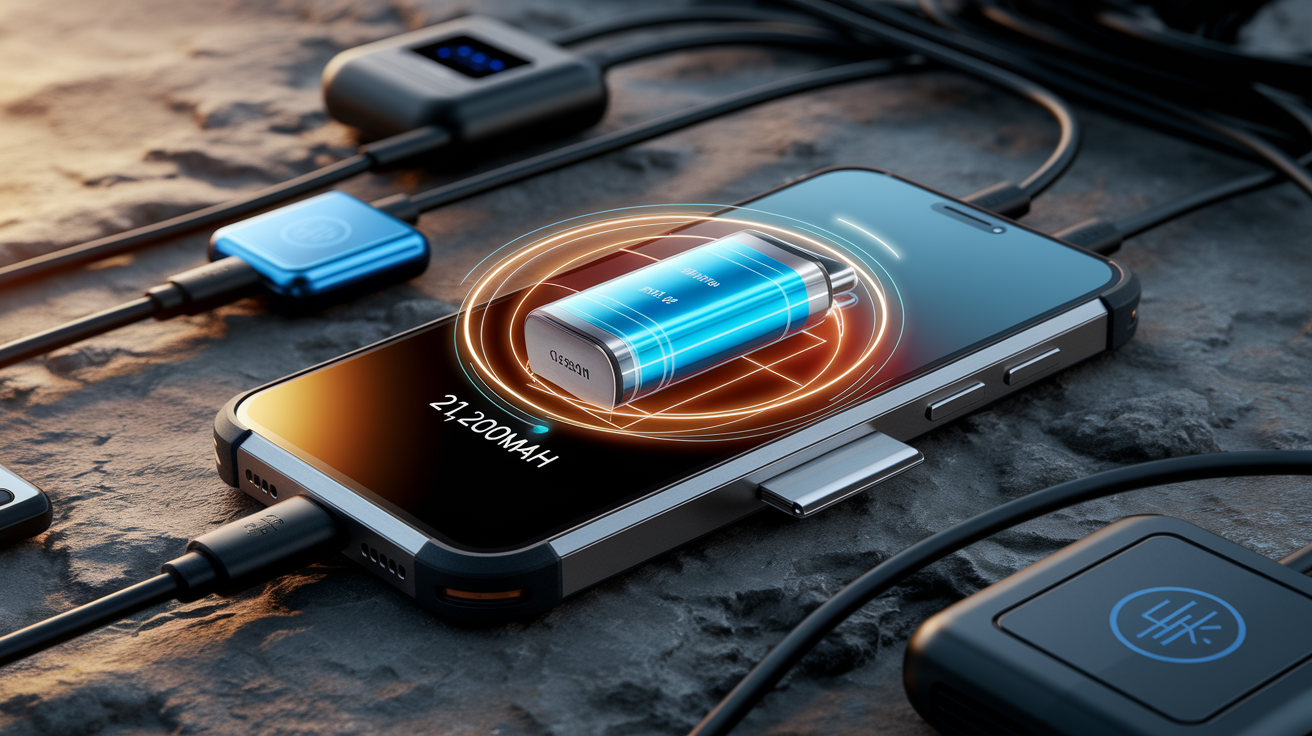
Battery capacity directly determines how long rugged smartphones operate in remote locations without charging infrastructure. Unihertz Tank2’s 15,500mAh battery delivers 6 to 7 days of moderate use and weighs 1.2 pounds. The battery alone accounts for most of the device’s mass. Ulefone Armor 29 Ultra pushes capacity to 21,200mAh, lasting months when usage remains minimal, with 120W ultra-fast charging restoring 80% capacity in 2 hours. AGM G2 Guardian includes a 7,000mAh battery lasting 3 days under normal use, while AGM Glory Pro’s 6,200mAh battery operates for extended periods even in extreme cold. Sonim XP10 uses a removable 5,000mAh battery rated for 2 days of heavy use, letting workers carry spare batteries and swap them in seconds without powering down.
Several rugged models add wireless charging despite the weight and complexity. AGM G2 Guardian and AGM Glory Pro support wireless charging up to 15W or 18W, eliminating the need to open sealed charging port covers repeatedly. Some devices double as power banks through reverse charging capabilities, supplying power to other electronics through USB connections. The tradeoff for massive batteries shows in device thickness and weight. Tank2 measures 3.3 inches thick and the Armor 29 Ultra weighs 688 grams (1.5 pounds), making them impractical for pocket carry but ideal for tool bags, vehicle mounts, and chest rigs.
Most powerful battery performers:
- Ulefone Armor 29 Ultra with 21,200mAh lasting months with limited use, 120W charging, 10W reverse charging
- Unihertz Tank2 with 15,500mAh delivering 6 to 7 days moderate use, dual 1,200-lumen flashlights powered by main battery
- AGM G2 Guardian with 7,000mAh lasting 3 days, wireless charging support
- AGM Glory Pro 5G with 6,200mAh and Arctic Battery technology functioning at -40°F
- Sonim XP10 with 5,000mAh removable battery lasting 2 days, field-swappable without tools
Display Protection and Screen Durability Among the Toughest Smartphone Options

CAT S62 Pro uses Gorilla Glass 6 bonded to a 5.7-inch display, while CAT S48C includes Gorilla Glass 5 on a smaller 5-inch 1080p screen reaching 441 pixels per inch. Unihertz Tank2 deviates from Corning glass by using Panda MN228 Glass protection on its 6.81-inch display. Panda glass competes with Gorilla Glass in scratch and shatter resistance but remains less common in Western markets. AGM Glory Pro’s 6.53-inch display reaches 860 nits brightness, making it readable under direct sunlight on construction sites or open water. Screen protection matters less than total system durability since the reinforced frames prevent displays from absorbing full impact force during drops.
Rugged smartphones often include glove mode and wet-touch functionality absent from consumer devices. Samsung Galaxy XCover series (referenced in related models) pioneered glove-friendly touchscreens that increase touch sensitivity to detect input through work gloves, while wet-touch operation maintains responsiveness when rain or sweat covers the display. These features work by boosting capacitive touch sensitivity and filtering false inputs from water droplets. Oleophobic coatings applied to Gorilla Glass reduce fingerprint smudges and help water bead off the screen surface rather than forming films that block visibility or interfere with touch detection.
Performance and Processor Capabilities in the Toughest Smartphone Tier
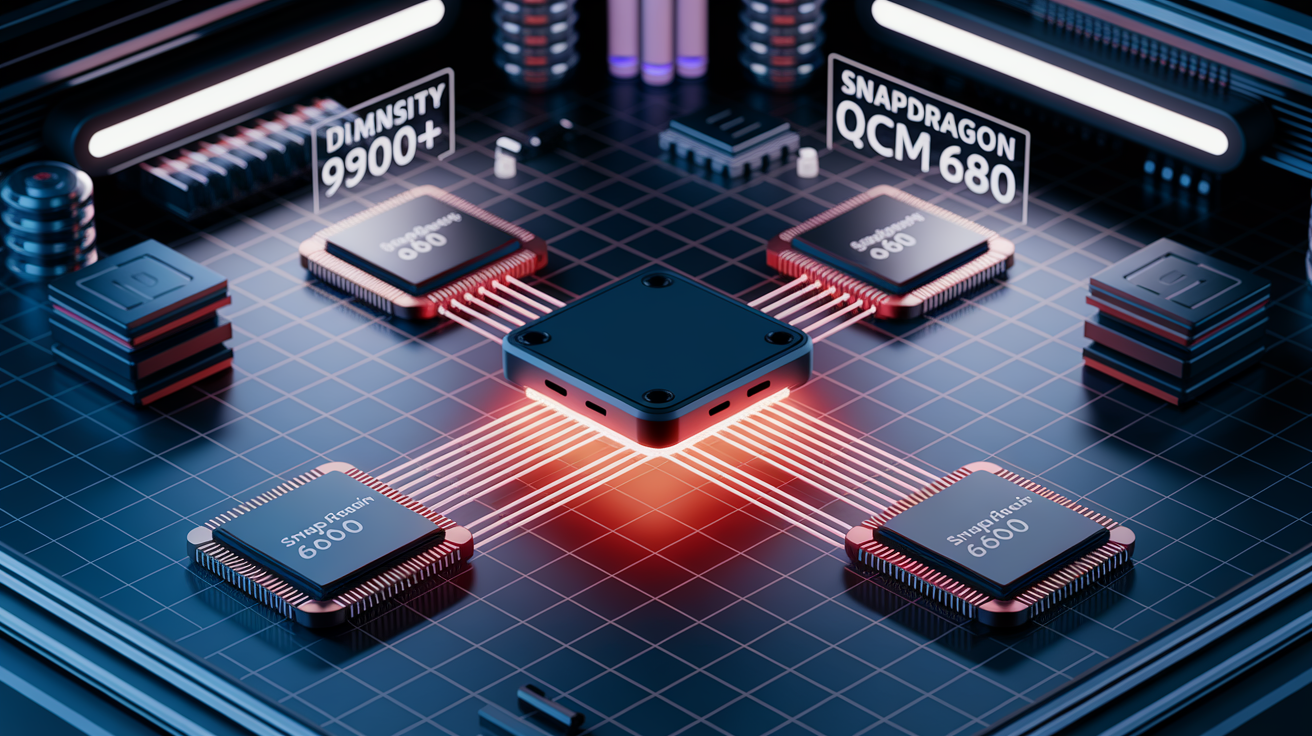
Most rugged smartphones use mid-range processors rather than flagship chips due to heat management challenges inside sealed, reinforced enclosures. Ulefone Armor 29 Ultra stands out with a Dimensity 9300+ flagship processor typically found in premium consumer phones, delivering benchmark performance matching current-generation flagships. AGM G2 Guardian uses Qualcomm’s Snapdragon QCM6490, a mid-range chip with efficient heat dissipation and industrial-grade temperature tolerance. Sonim XP10 runs on Snapdragon SM4350 Pro, while CAT S62 Pro uses the older Snapdragon 660 released in 2017 but proven reliable in rugged environments.
Many rugged phones now include 5G connectivity alongside multi-band GNSS support (GPS, GLONASS, Galileo, BeiDou) providing precise positioning in remote areas where cellular coverage remains weak. AGM Glory Pro 5G and several Ulefone models support 5G bands, while older designs like CAT S48C remain locked to LTE networks. GPS accuracy matters for emergency responders, field technicians logging equipment locations, and outdoor navigation. Rugged phones typically include better antenna designs and signal processing than consumer devices prioritizing thin profiles over reception quality.
| Model | Processor | Performance Tier |
|---|---|---|
| Ulefone Armor 29 Ultra | MediaTek Dimensity 9300+ | Flagship, matches current premium smartphone performance |
| AGM G2 Guardian | Qualcomm Snapdragon QCM6490 | Mid-range, efficient with industrial temperature tolerance |
| CAT S62 Pro | Qualcomm Snapdragon 660 | Mid-range (2017), proven reliability in extreme conditions |
Thermal Imaging, Night Vision, and Specialty Tools on the Toughest Smartphones
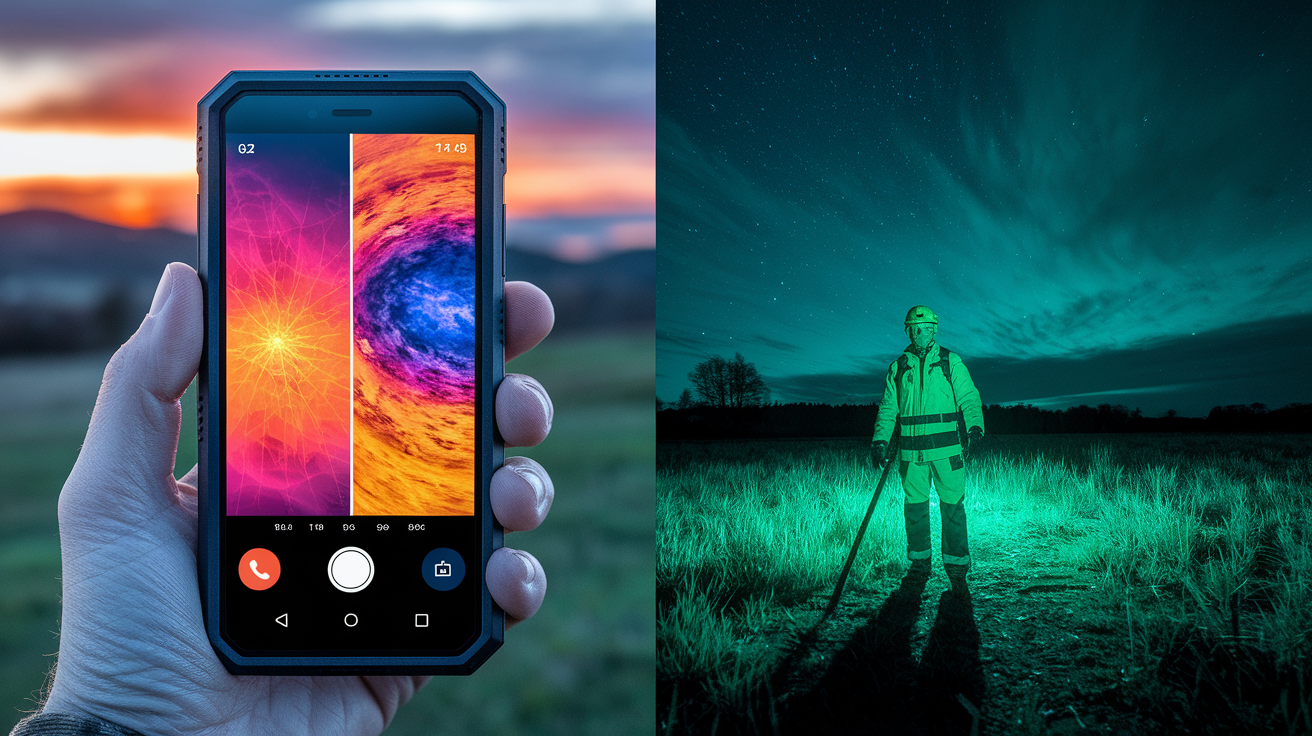
CAT S62 Pro integrates a FLIR Lepton 3.5 thermal camera with 160×120 pixel resolution, detecting heat signatures from up to 10 feet away and measuring temperatures from -4°F to 752°F. The thermal camera helps electricians identify overheating circuits, HVAC technicians spot insulation gaps, and building inspectors find moisture intrusion through temperature differentials. AGM G2 Guardian includes a thermal monocular camera detecting subjects at 400 to 650 feet, useful for search and rescue operations, wildlife observation, and perimeter security. AGM G3 Pro uses a professional-grade 512×384 thermal sensor covering temperature ranges from -20°C to 550°C, with dedicated AGM thermal software for temperature bracketing and thermal video recording.
Night vision capabilities separate from thermal imaging appear on several models through infrared LED illumination and specialized sensors. AGM Glory Pro includes a 20-megapixel night vision camera with IR LEDs effective to 30 meters, capturing monochrome images in complete darkness without visible light. Ulefone models frequently include 64-megapixel infrared night vision cameras paired with flood lights producing 1,000 lumens for area illumination. These tools matter for nighttime inspection work, security patrols, and outdoor activities where flashlight use attracts attention or disturbs wildlife.
Traditional camera quality trails consumer flagships since rugged phones prioritize specialized imaging over everyday photography. CAT S62 Pro includes a basic camera system suitable for documentation photos but lacking computational photography features like Night Mode or advanced HDR processing. Ulefone Armor 29 Ultra breaks this pattern with a 1-inch Sony IMX989 sensor typically found in flagship phones, supporting RAW capture with ISO 50 to 6400 and 30-second manual shutter speeds for night photography.
Specialty features summary:
- FLIR thermal integration: CAT S62 Pro with Lepton 3.5 sensor measuring -4°F to 752°F, AGM G3 Pro with 512×384 professional sensor
- Long-range thermal detection: AGM G2 Guardian detecting subjects 400 to 650 feet for search and rescue
- Night vision cameras: 20MP to 64MP sensors with IR LED illumination effective 30+ meters in darkness
- Professional imaging tools: Ulefone Armor 29 Ultra with 1-inch Sony sensor, RAW capture, manual controls
Toughest Smartphones Compared by Real-World Scenarios and Use Cases
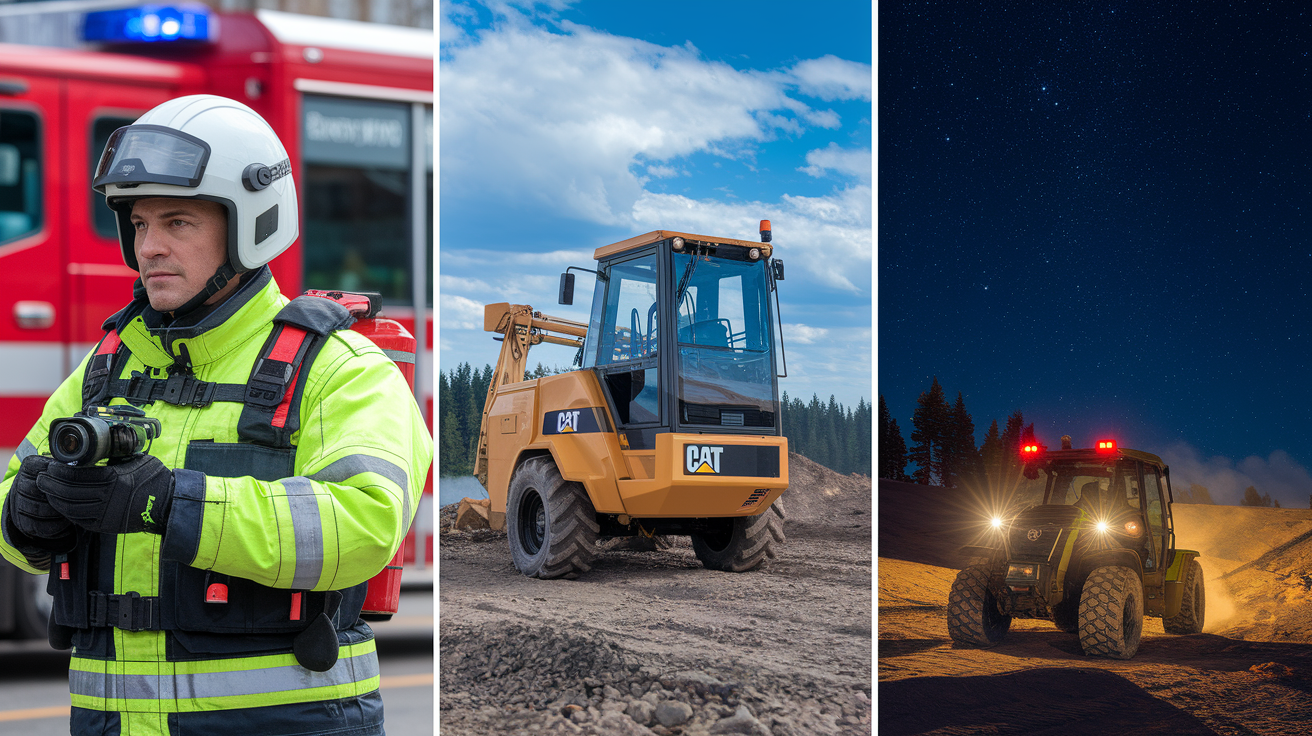
Different rugged smartphones optimize for specific environments and professional requirements. Sonim XP10 targets emergency responders with FirstNet certification (priority access on AT&T’s first responder network), a dedicated Emergency GPS button sending location coordinates, and Push-to-Talk (PTT) functionality for instant radio-style communication. The removable battery allows paramedics and firefighters to swap power sources during long incidents without stopping work to charge devices. AGM Glory Pro suits extreme cold environments through Arctic Battery technology proven to operate for 1 hour at -40°F and tested in real-world freezer conditions for 2 hours with minimal battery drain.
Construction and trade workers benefit from CAT models with physical buttons that work with heavy gloves, reinforced frames surviving tool bag abuse, and IP69K ratings protecting against pressure washers and cement dust. Tank2’s oversized battery eliminates charging concerns during 12-hour shifts in locations without power access. The dual 1,200-lumen flashlights replace separate work lights for electrical and plumbing inspections inside walls or crawl spaces. AGM G2 Guardian’s thermal detection capabilities help identify HVAC issues, electrical hot spots, and insulation failures without specialized equipment.
Outdoor adventure users prioritize battery life and navigation over communication features. Tank2 and Ulefone Armor 29 Ultra provide multi-day battery life for backcountry trips without solar chargers. AGM models with night vision cameras support wildlife observation and nighttime trail navigation. The thermal imaging features help locate animals by body heat signature when traditional optics fail in fog or dense vegetation.
Emergency Response
Sonim XP10 serves emergency responders through FirstNet certification ensuring priority network access during disasters when civilian networks become congested. The Emergency GPS button instantly transmits coordinates to dispatch centers without unlocking the phone or opening apps. The 100dB+ speakers cut through vehicle noise and sirens.
Construction Trade
CAT S62 Pro and S48C survive daily job site abuse through 6-foot drop ratings and IP69K protection against pressure washers. Physical buttons function with work gloves. The thermal camera identifies electrical hazards and insulation gaps without separate diagnostic equipment.
Outdoor Adventure
Unihertz Tank2 and AGM Glory Pro deliver multi-day battery life for expeditions without charging infrastructure. Night vision cameras and thermal detection support wildlife observation and navigation. Arctic Battery technology maintains operation during winter mountaineering and polar travel.
Pricing Tiers and Buying Guide for the Toughest Smartphone Choices
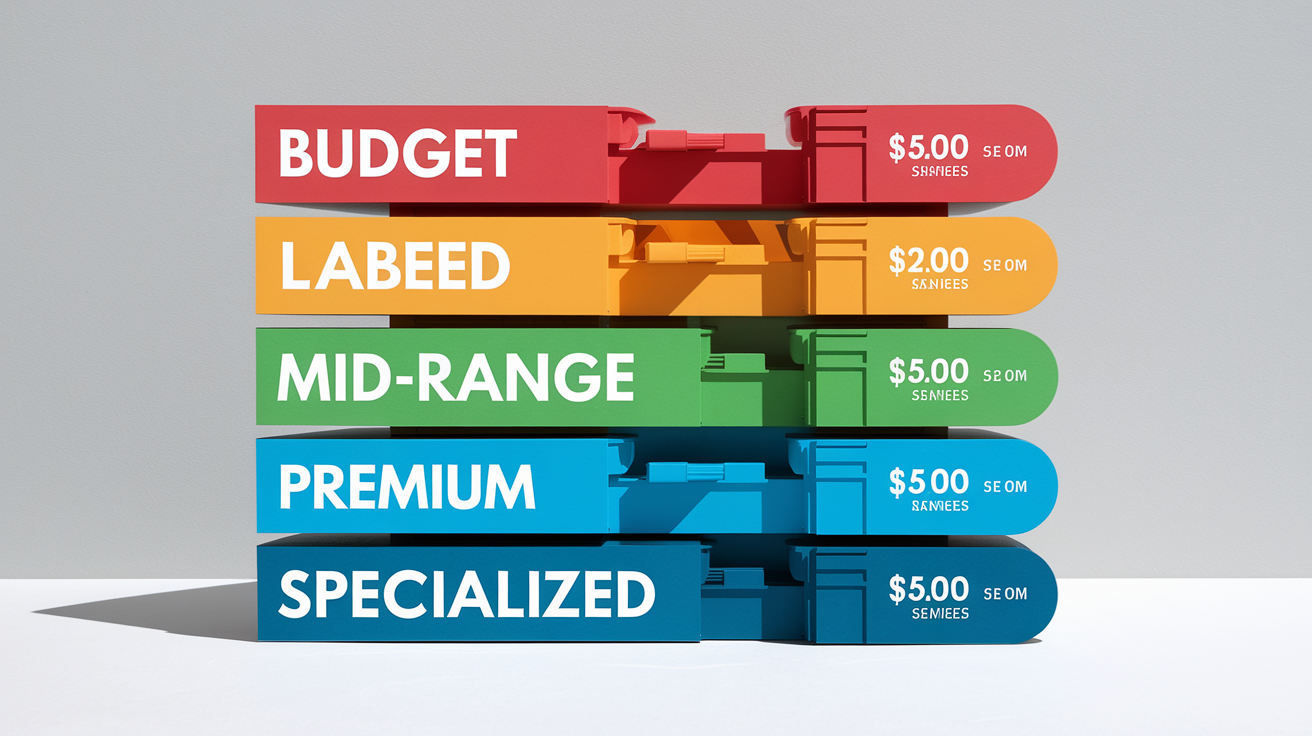
Rugged smartphone pricing spans from budget models around $300 to $400 to specialized devices exceeding $800 depending on battery capacity, thermal imaging hardware, and certification levels. Budget options like Ulefone Armor X16 Pro deliver essential ruggedness (IP68/IP69K ratings, MIL-STD testing, large batteries) without premium features like thermal cameras or flagship processors. Mid-range devices balance durability with modern smartphone capabilities including 5G connectivity, decent cameras, and efficient processors suitable for everyday use beyond specialized work functions.
Premium rugged phones justify higher prices through professional tools. Thermal cameras with FLIR sensors or advanced thermal monocular systems, removable batteries with specialized cold-weather chemistry, or FirstNet emergency certifications requiring additional testing and carrier partnerships. AGM G3 Pro and Ulefone Armor 29 Ultra occupy this premium tier through professional-grade thermal imaging and flagship performance. Specialized devices like Tank2 command premium prices through unique features (built-in projector, 15,500mAh battery) unavailable elsewhere.
Business purchasers should consider total cost of ownership including warranty coverage (Sonim’s 3-year warranty versus typical 1-year coverage), device replacement costs after damage, and bulk purchasing discounts from manufacturers selling directly to enterprise clients. Some rugged phone manufacturers offer leasing programs for fleet deployments, allowing companies to refresh devices every 2 to 3 years without large upfront capital expenses. Refurbished rugged smartphones appear less frequently than consumer phones since many buyers keep devices until failure rather than upgrading annually.
| Category | Price Range | Features | Example Models |
|---|---|---|---|
| Budget | $300 to $450 | IP68/IP69K rating, MIL-STD-810G, 5,000 to 10,000mAh battery, basic camera | Ulefone Armor X16 Pro, CAT S48C |
| Mid-Range | $450 to $600 | 5G support, improved processor, night vision or enhanced camera, larger battery | AGM Glory Pro 5G, Sonim XP10 |
| Premium | $600 to $900 | Thermal imaging, flagship processor, massive battery (15,000+ mAh), professional certifications | AGM G3 Pro, Ulefone Armor 29 Ultra |
| Specialized | $700 to $1,000+ | Unique features (projector, extreme cold battery), long-range thermal detection, removable battery with 3-year warranty | Unihertz Tank2, AGM G2 Guardian, CAT S62 Pro |
Final Words
We ranked the top rugged phones by real toughness: IP68/IP69K and MIL‑STD‑810G/H certifications, drop survival, waterproofing, battery life, and field reviews.
That’s why CAT S62 Pro, Sonim XP10, AGM models, Unihertz Tank2, and CAT S48C stand out — each shines in different conditions like thermal scans, extreme cold, long expeditions, or construction sites.
Use the checklist — certification, drop height, battery, and specialty tools — to match a model to your work or trip. Choose the toughest smartphone you need and you’ll be ready when it matters.
FAQ
Q: Which is the most durable or toughest phone to break?
A: The most durable or toughest phones to break are CAT S62 Pro, Sonim XP10, AGM Glory Pro, Unihertz Tank2, AGM G2 Guardian, and CAT S48C — all offer IP68/IP69K, MIL‑STD‑810G/H ratings and strong drop protection.
Q: What are the best rugged phones?
A: The best rugged phones depend on needs: Sonim XP10 for emergency responders, AGM Glory Pro for extreme cold, Unihertz Tank2 for huge battery life, and CAT S62 Pro or S48C for construction toughness.