
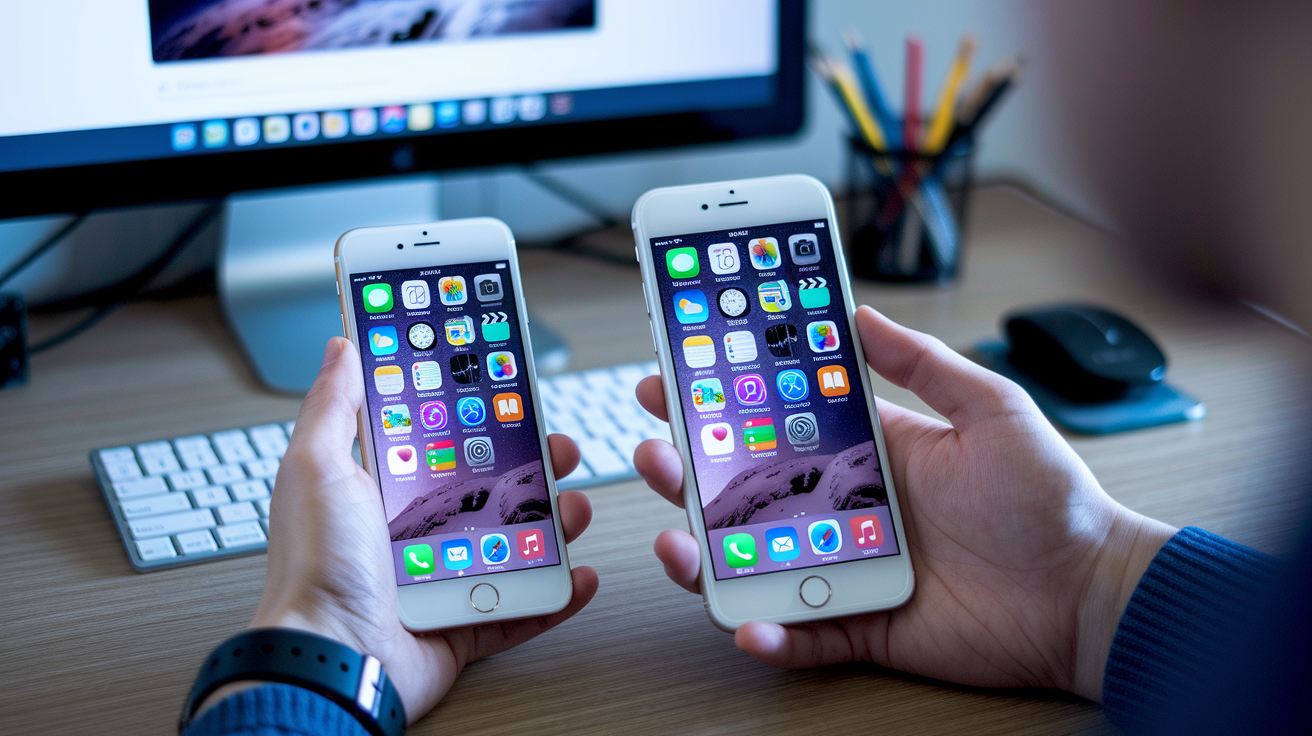

Launch events can wipe 15–30% off your phone’s resale value in a few weeks.
When a company unveils a new model, owners rush to sell, buyers hold off, and trade-in offers reset the floor.
That rush compresses supply and demand into a brutal 30–45 day price swing.
This piece explains how timing, brand cycles, and promos drive those swings, and gives simple steps to protect value.
Read on to learn when to list, when to lock a buyback quote, and how condition and carrier deals change the math.
Key Factors Linking New Releases to Resale Price Drops

When a new smartphone drops, older models lose value fast. It’s a supply and demand thing, but compressed into a brutal timeline. Current owners flood the market trying to upgrade while buyers suddenly want the latest release instead. You’re looking at 15–30% price drops in just a few weeks after an announcement. The clock starts ticking the second those event invites hit inboxes.
The psychology here matters more than most people realize. Buyers sit on their hands once launch rumors start flying. They’re waiting to see specs, official pricing, what carriers are offering for trade-ins. Meanwhile sellers panic and race to list before values collapse. This creates a weird 30 to 45 day window before the event where inventory spikes and prices start sliding even though nothing’s actually launched yet. And when everyone’s competing for fewer and fewer buyers who expect discounts? Prices tank.
How much your phone loses depends on what you’re selling and when:
- Last year’s flagship? Expect to lose 20–30% within a month of the new launch.
- Mid-tier devices get hit harder, often 25–35%, because buyers just shift their budget to discounted flagships.
- Two-generation-old models see smaller drops, usually under 10%. Most of the damage already happened.
- Timing varies by brand. Apple hits in September, Samsung goes twice (February and August), Google’s an October thing.
- Carrier promos mess everything up by setting aggressive trade-in values that become the new floor.
Market Behavior Before, During, and After Major Launch Events

Used listings jump 40–60% in the month before a major launch. Everyone’s trying to cash out before the announcement kills their value. This pre-launch flood starts crushing prices two or three weeks early. Smart sellers list fast. Everyone else waits too long.
The 48 hours around the actual event? Dead zone. Buyers vanish because they’re comparing features and doing math on whether the new model’s worth it. Sellers are stuck competing in a vacuum, slashing prices just to move units before things get worse. Trade-in platforms drop their offers the same day.
It takes 30 to 90 days for things to level out. Supply normalizes, buyers come back hunting for deals on older but still solid phones. Sometimes you get a mini-spike 45 to 60 days out when holiday shopping or carrier cycles create brief demand bumps.
Here’s how it breaks down:
- Pre-launch (45 days to 1 day out): Listings climb steadily. Early sellers grab 5–10% more than people who wait.
- Launch week: Buyer traffic drops 30–50%. Prices fall 10–15% as panic sets in.
- Early post-launch (8 to 30 days): Market finds a new floor, usually 20–30% below where it started.
- Mid-term (31 to 90 days): Seasonal stuff or promos might push prices up 3–5% before the next cycle starts.
Brand-Specific Depreciation Patterns

Not all phones lose value the same way. Apple, Samsung, and Google each have their own patterns based on loyalty, software support, how often they release stuff.
Apple Models
iPhones hold value better than anything else. You’re typically looking at 70–80% of retail price after a year, only dropping 20–25% in the first 60 days after a new iPhone announcement. This happens because Apple’s predictable (September every year), supports phones for five or six years, and everyone wants a used iPhone. Pro models from last year? Sometimes they hold above 75% because buyers see them as basically equivalent to the new base models. The iPhone 15 Pro only lost 21% in the five months after the 16 announcement. That’s slower than older generations. If you’re selling, do it four to six weeks before September.
Samsung Models
Galaxy flagships drop harder and faster. You’re losing 40–50% in the first six to nine months, with the worst damage happening in the 90 days after a new Galaxy S or Z launch. The S25 depreciated 46.6% in five months. The S22? 51.9% at the same point. Things are getting better slowly as Samsung extends software support and adds AI features people actually care about. But Samsung’s twice-a-year cycle (S series in February, foldables in August) means two annual depreciation windows. If you’ve got an S23 or S24, list before late November or you’ll eat a 15–20% hit when S25 pre-orders open.
Google Pixel Models
Pixels drop fast early but recent models are showing improvement. The Pixel 9 held 2.6 percentage points better at 10 months than the Pixel 8 did. Google’s seven-year update promise and AI focus are starting to shift how buyers think about these phones. Still, Pixels lag iPhones and high-end Samsungs, typically losing 35–45% in year one. Smaller user base, fewer carriers selling them. Google’s October launches create a different calendar. Selling eight to 10 months after launch (June through August) now looks safer than the old six-month rule because values stabilize before the next announcement.
The gap between iPhone and Android resale is shrinking. If Samsung keeps pushing AI and long-term support, they could match or beat iPhone retention by mid-2026 to 2027.
How Consumers Can Maximize Resale Value Around Launch Cycles

Sell two to four weeks before a manufacturer announces the new flagship. That’s the sweet spot. You need to watch rumor cycles, know historical announcement dates, and lock buyback quotes 14 to 30 days ahead. Condition matters. Scratches or a missing box can cost you another 10–15%.
Here’s a strategy that balances certainty with upside:
- Lock a buyback quote from Decluttr, Gazelle, or a carrier 14–30 days before the expected launch. That’s your floor.
- List privately on eBay, Swappa, or Facebook Marketplace at 10–15% above the buyback price. See if you can get more.
- Prep the device properly. Disable Find My (top deal-killer), take good photos, check battery health, save IMEI and serial, include original packaging if you have it.
- Watch quotes daily during launch window. Most locks last 14 to 30 days. Refresh them before they expire.
- Look for secondary mini-peaks 45 to 60 days post-launch when holiday promos or carrier cycles briefly lift demand.
- Don’t panic-sell on launch day. Prices often stabilize or tick up slightly in days 8–15 after early-upgrade supply clears.
If you’re holding a flagship that’s more than one generation old, sometimes waiting until right after a launch works better. Buyers hunting deals gravitate to phones two generations back once they stabilize around $300 to $400. Brief appreciation windows can pop up.
Final Words
New flagship launches push older models’ prices down fast—typically 15–30% within weeks. That pattern drives the rest of the piece: buyer hesitation, listing spikes, and short windows for better returns.
We covered market timing, brand differences (iPhone holds value steadier; Samsung and Pixel drop faster early), and clear seller moves—sell 2–4 weeks before a launch, keep condition and accessories in top shape.
This guide shows how launch events influence smartphone resale value and gives simple steps to protect your cash. Stay proactive and you’ll get smarter prices.
FAQ
Q: Why do Android phones have less resale value?
A: Android phones have less resale value because many models and faster replacement cycles flood the used market, software support varies, and buyers favor iPhones for longer support and steadier demand.
Q: What did Elon Musk say about phones?
A: Elon Musk said phones are increasingly limiting and promoted brain‑computer interfaces (like Neuralink) as a future alternative, arguing direct brain links could replace screens and apps over time.
Q: What is the cheapest month to buy a phone?
A: The cheapest month to buy a phone is usually November (Black Friday) and the weeks after major launches—often September—when retailers and carriers discount older models heavily.
Q: Why are smartphone sales declining?
A: Smartphone sales are declining because markets are saturated, upgrade cycles are longer, economic pressure cuts discretionary spending, and new models offer fewer must‑have upgrades, reducing buyer urgency.